Salvaging Weapons in RIFTSTORM
Turn duplicate drops and scarred mistakes into Forge Center materials without starving your squad before Early Access.
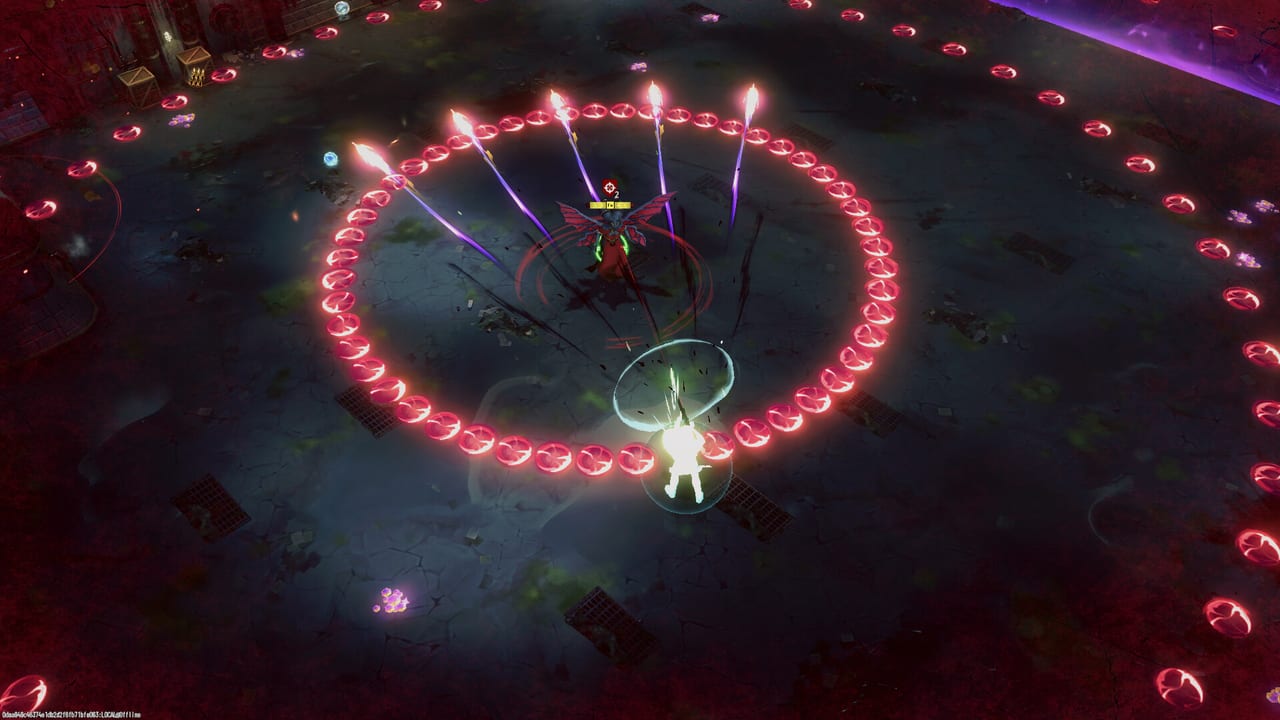
Salvaging is how RIFTSTORM turns clutter into progress. The Forge Center accepts weapons you no longer want and returns materials plus credits you reinvest into blueprint crafts with higher Combat Power potential. Without disciplined salvage, your vault fills with mid-tier duplicates, scarred experiments, and dead-end random rolls that slow Periapt spending and confuse pre-mission loadout selection before the planned August 11, 2026 Steam Early Access launch.
How salvaging works
At the Forge Center, choose salvage on a weapon in your inventory or shared vault. Confiction Labs describes the outcome as recovering valuable resources for future crafting and advancement. Salvage is destructive—the weapon leaves your account in exchange for components.
Salvaging complements extraction-lite design: even failed missions that scar gear still leave you with something to recycle rather than a total wipe.
When to salvage (decision table)
| Weapon state | Salvage? | Reason |
|---|---|---|
| Duplicate below your main’s CP | Yes | Instant material return, zero opportunity cost |
| Random roll with wrong archetype | Yes | Wrong slot slows Squad Composer role fulfillment |
| Scarred with costly repair | Often yes | Weapon Scarring penalties may exceed salvage value |
| Scarred but best current primary | No | Keep until blueprint replacement is ready |
| Blueprint target with high CP investment | No | Core account progression piece |
| ”Maybe someday” filler | Yes | Early Access stash limits punish hoarding |
| Demo-only gear | Yes before EA | Demo progress may not transfer; see Demo overview |
Run this table after every hub return while drop tables are volatile. First-month Early Access generates enormous duplicate volume.
Salvage vs keep for co-op
Three-player online co-op squads share pressure to cover roles, not identical DPS checklists:
- One shared high-CP primary per archetype family (precision rifle, close SMG, etc.) is enough for coordinated Trio Comps.
- Salvage second and third copies unless a teammate lacks any weapon in that slot.
- If your Frontline player is still on a green-tier shotgun, pass the duplicate via co-op planning before salvaging—not every trade system exists in preview builds, so communicate in lobby.
Scarred weapons: salvage or repair?
Failed extracts apply negative modifiers to weapons you brought into the mission. Scarred pieces remain usable but weakened. Your options:
- Repair (when available) if repair cost < replacement craft cost.
- Salvage if scars stack ugly modifiers or the base weapon was temporary.
- Bank as a backup for low-Threat farming so you never risk your flagship primary.
Pair salvage decisions with How to Extract discipline—many scars come from greed pushes after the objective is complete.
Salvage loop with blueprint crafting
Efficient progression loop:
- Farm PADDOCK Contingency or appropriate Threat Level for Dataseed blueprints.
- Salvage all non-meta drops from those runs immediately.
- Craft targeted weapons at the Forge Center with intentional CP potential and rarity floors.
- Repeat until your main Weaver hits recommended CP for the next Threat tier.
Random crafts consume the same material pool as blueprint crafts. Salvage feeds both, but blueprint efficiency reduces how many random gambles you need.
Inventory and shared vault hygiene
Preview information mentions a shared vault letting multiple Weavers access certain weapons. Vault slots are not infinite. Rules of thumb:
- Keep at most two weapons per archetype account-wide during Early Access week one.
- Salvage anything obsolete after a successful blueprint upgrade.
- Store one scarred backup per slot only if you regularly push high Threat.
Document vault contents in your friend group’s Extraction Checklist notes so nobody brings the scarred backup by mistake.
Material types and planning
Exact material names may change before launch, but salvage always feeds crafting components and credits. Plan sessions:
| Session goal | Salvage policy |
|---|---|
| Blueprint farm night | Salvage everything except blueprint containers |
| CP push night | Keep highest CP per slot; salvage rest |
| Casual story mission | Salvage greens immediately; extract blues for review |
| Co-op teaching run | Keep lower-tier gear for newcomers |
Mistakes to avoid
- Salvaging before comparing CP — Check numeric Combat Power against mission recommendations.
- Salvaging squad-shared gear without asking — Always-online co-op means trust matters.
- Hoarding “for crafting later” — If you have not crafted in three sessions, salvage intermediates.
- Ignoring scarred backups — Backups have value; junk duplicates do not.
Demo salvage habits
The Steam demo uses a simplified economy but still teaches salvage at the Forge Center. Practice breaking down demo drops so muscle memory carries into Early Access day one.
Related pages
- Forge Center — Crafting costs, CP potential, rarity floors.
- Weapons Hub — Overall arsenal strategy.
- Weapon Scarring — Risk before bringing gear into missions.
- Missions Hub — Where drops and blueprints originate.
Salvage rates and material names are subject to Early Access tuning across the estimated 18–24 month development window. Re-evaluate thresholds after economy patch notes.
Frequently Asked Questions
Quick answers to the most common RIFTSTORM questions.
Where do I salvage weapons in RIFTSTORM?
Use the Forge Center at your hub. Select unwanted weapons and choose salvage to recover crafting materials.
Should I salvage scarred weapons?
Compare repair costs and scar severity. Salvage if the piece was temporary; keep or repair flagship weapons until a blueprint replacement is ready.
Do I lose all progress if I salvage a crafted weapon?
You lose that weapon but gain materials and credits toward new Forge Center crafts—part of the intended progression loop.
Can salvaged materials craft blueprint weapons?
Yes. Salvage feeds the same resource pool used for both random and Dataseed blueprint crafts.
How does salvaging interact with Weapon Scarring?
Scarred weapons can be salvaged like any other piece, offering a way to recover value from failed high-risk extracts.