Combat Power in RIFTSTORM
How CP recommendations, weapon crafting, and Threat Level choices decide whether a mission feels fair—or experimental.
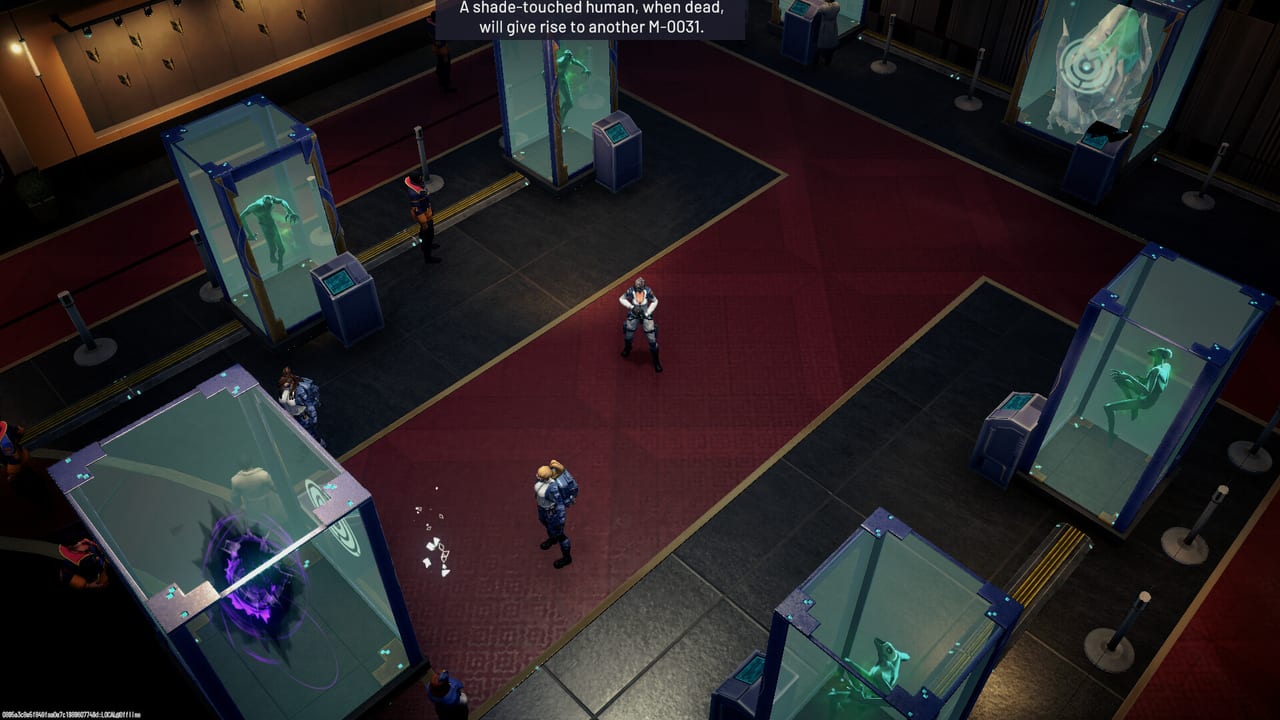
Combat Power (CP) is RIFTSTORM’s shorthand for how hard your equipped weapons can hit relative to a mission’s recommended threshold. On mission select, Confiction Labs surfaces recommended CP values so squads can self-select difficulty before they deploy into PADDOCK Contingency operations. Red or aggressive highlights usually mean the mission sits above your current gear ceiling—higher Threat Levels, denser Mythic pressure, and better material odds, but sharper enemy tuning that Early Access still labels experimental at Threat 3 and above.
This guide explains what CP actually measures, how the Forge Center raises CP potential when you craft, and how three-player groups should coordinate CP honesty so one undergeared friend does not drag the whole lobby into a scarring night. Early Access is planned for August 11, 2026 on Steam; treat numbers as directional until live patches finalize economy curves.
What Combat Power represents
CP is not a separate skill tree. It is a derived score driven primarily by:
- Equipped weapon Combat Power potential — The biggest lever. Higher rarity floors and CP potential crafts cost more materials and credits at the Forge Center.
- Weapon mods and quality — Positive mods raise effective output; Weapon Scarring negative mods can pull CP down after a failed extract.
- Supporting systems — Periapt and Weaver kits improve real performance even when the mission board still shows the same CP badge. Do not ignore Periapt just because the UI highlights weapons.
Think of recommended CP as a gear gate, not a skill rating. A practiced Rook with mid CP can outperform a new player with inflated CP who never dodges—but the recommendation still exists so matchmaking and mission tables stay roughly fair.
Reading the mission select screen
Before you accept a deploy:
- Note the mission’s recommended CP and Threat Level.
- Compare each squadmate’s equipped loadout CP—not stash trophies sitting in the vault.
- Confirm extract philosophy with How to Extract so you are not bringing irreplaceable high-CP rifles into a learning run.
- If anyone is far below recommendation, drop Threat or craft at the Forge Center first.
| Situation | Recommended action |
|---|---|
| All three near recommended CP | Deploy; prioritize objectives over shrine greed |
| One player far below | Swap that Weaver to a crafted backup or lower Threat |
| Whole squad well above | Consider +1 Threat for blueprint farming |
| Red experimental Threat 3+ | Treat as voluntary stress test, not core progression |
Raising CP at the Forge Center
The Forge Center lets you customize CP potential and minimum rarity when crafting:
- Random craft — Spend investment to raise CP ceilings when you need any high-CP option fast.
- Dataseed blueprint craft — Target a specific weapon pattern while still dialing CP potential and rarity floors.
- Salvage loop — Feed salvaging into the next craft so CP growth is continuous instead of lucky drops only.
Higher CP potential and rarity cost more materials and credits. That trade-off is intentional: Early Access economy wants squads to choose between conserving resources for many mid CP weapons or pushing a few flagship pieces for high Threat.
Squad CP honesty
Always-online co-op fails when friends “lie” about readiness. Use the Squad Composer and voice checks:
- Announce your equipped CP, not your vault best.
- Flag scarred weapons before queue—scarred mods can quietly underperform the badge.
- Agree whether the night is learning, farming, or pushing before you pick Threat.
- Host should reject a Threat jump if any player is more than one comfort tier behind.
Empty third seats raise personal responsibility. Two-player lobbies should under-tier CP recommendations until Periapt and Forge crafts catch up.
CP vs Lythograms vs Periapt
| Layer | Role relative to CP |
|---|---|
| Weapon CP | Sets the mission board recommendation |
| Lythograms | Temporary mid-run multipliers; do not replace CP |
| Periapt | Persistent baseline that makes the same CP feel stronger |
Entering under-CP and hoping Lythogram RNG carries you is a common scarring path. Enter near recommendation, then use Lythograms to accelerate clear speed—not to paper over missing Forge investment.
Demo and Early Access caveats
The Steam demo (app 3212570) uses a simplified gear slice. Demo CP feelings will not match full Forge Center costs at launch. After the planned August 11, 2026 Early Access window opens, expect Confiction Labs to retune recommendations as the Armory Update and balance passes land—revisit this page when patch notes change craft costs or Threat tables.
Practical CP plan for week one
- Finish onboarding and learn Safe House loadout habits.
- Salvage junk aggressively; craft one solid mid CP primary per main Weaver.
- Clear Threat 1–2 PADDOCK missions at recommended CP.
- Farm Dataseeds before gambling every credit on max rarity crafts.
- Only then push experimental Threat 3+ with a full trio and extract discipline.
Combat Power is a conversation tool as much as a number. Use it to pick honest missions, protect scarred-risk weapons, and keep co-op nights fun instead of punitive.
Frequently Asked Questions
Quick answers to the most common RIFTSTORM questions.
What is Combat Power in RIFTSTORM?
Combat Power (CP) is a gear-derived score—mainly from equipped weapons—used on mission select to recommend difficulty. Raise it via Forge Center crafts and mods.
Does higher CP guarantee an easy mission?
No. CP is a recommendation, not a skill rating. Mechanics, Lythograms, and co-op coordination still decide extracts.
How do I raise Combat Power quickly?
Salvage duplicates, craft with higher CP potential and rarity floors at the Forge Center, and equip the result—not stash it. See also Dataseeds.
Should our whole squad match CP?
Ideally stay within a comfort tier of the mission recommendation. One undergeared player should lower Threat rather than force a red experimental clear.
Can Weapon Scarring lower effective CP?
Yes. Scarred weapons keep negative mods that reduce real performance. Repair or replace them before high Threat deploys—see Weapon Scarring.