Fighting Mythic Enemies in RIFTSTORM
How Mythic threats like Shade pressure co-op squads—and how to read auras, control crowds, and extract before the rift spirals.
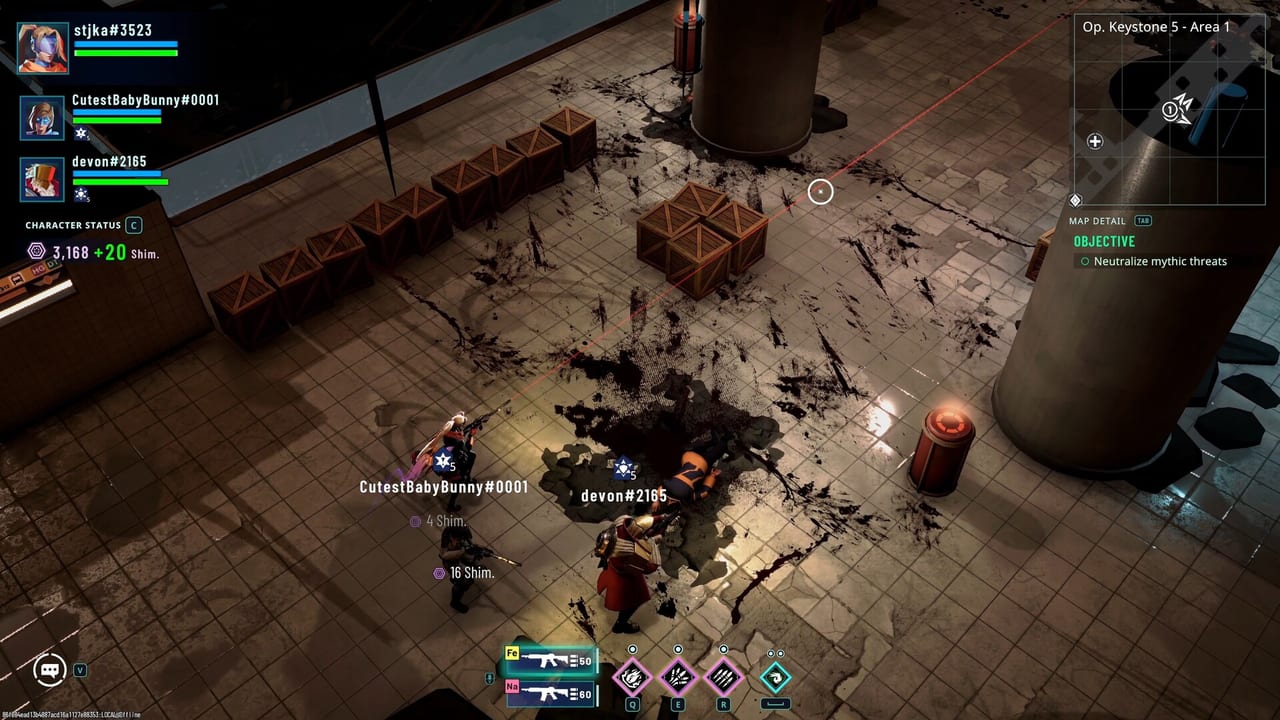
Mythic enemies are the supernatural threats Weavers contain inside the Mythic Protocol universe. RIFTSTORM’s co-op PvE fantasy is not only about looting rifles—it is about recognizing silhouettes in a top-down battlefield, answering the right pressure with the right Weaver kit, and leaving before a failed containment becomes a scarred extract. This guide focuses on combat habits for live Steam Early Access since August 11, 2026, using Confiction Labs’ published Shade design notes as a concrete case study—and pointing farmers to Mythic Resources Farming for material loops.
The embedded gameplay video shows how chaotic Mythic fights become once packs stack with Lythogram power spikes—use it to visualize spacing before you read tactics.
What “Mythic” means in a mission
Mythics sit above ordinary fodder. They often:
- Occupy a mechanical niche (crowd melee, ranged denial, spawn support)
- Carry readable silhouettes and auras so top-down players can react in under a second
- Escalate when you linger in Rift Exposure Zones or push higher Threat Levels
- Drop better materials, blueprints, or narrative case-file flavor when contained
Steam Early Access messaging also promises new and reworked Mythic enemies across the 18–24 month EA window, so treat every dossier as living—not final bestiary dogma.
Case study: Shade, Shadelings, and Adam
Confiction Labs’ Devblog #7 details Shade as a ghost-like, self-replicating Mythic designed for crowd melee pressure. Key player-facing takeaways:
- Shadelings overwhelm and assimilate—face them head-on with weapons that erase packs, not single-target sniper greed alone.
- Adam acts as a progenitor / boss-form source that spawns more Shades; narrative materials describe him as extremely hard to permanently end, with resurgence themes tied to betrayal lore.
- Auras and emotion variants differentiate attack patterns. Humanoid body-horror silhouettes stay readable from top-down; aura color and motion telegraph how to respond.
- Supporting Mythics like Mania (noted in the same blog) can alter the battlefield with bubble or tentacle-like hazards born from absorbed Shades—priority targets when they enable the pack.
You do not need the full comics to fight them: learn silhouette → aura → answer.
Universal Mythic fight framework
Use this loop every elite or Mythic spike:
- Identify — Call the Mythic name or aura (“purple bubble,” “melee swarm”) on voice.
- Create a lane — Rook mines, Botsy turrets, and Caracal kites open space; do not stack three bodies in the same choke unless the kit demands it.
- Delete the enabler — Spawners, aura supports, and Adam-style sources die before leftover fodder.
- Spend Lythograms honestly — Take defensive or utility picks if the Mythic is new; stack offense only after the pack pattern is known.
- Reassess extract — Mythic fights burn timers and ammo. If the squad is down resources, extract instead of chasing one more chest.
Role answers by Weaver
| Weaver | Mythic answer |
|---|---|
| Rook | Area denial and Squad Synergy near allies during swarm collapses |
| Starling | Sustained delete on priority targets once lanes are clear |
| Hertz | Soak and taunt tools when the pack must be held |
| Botsy | Turret zones that punish Shadelings funneling into chokes |
| Caracal | Reposition and finish runners that break from the pack |
Full trio ideas live on Trio Comps. Bring Combat Power near recommendation—Mythics punish undergeared greed hardest.
Threat Level and Exposure interactions
Higher Threat multiplies Mythic aggression and reward. Exposure zones often host denser Mythic tables and better loot shrines. The correct play is rarely “always go deeper.” Agree on a Mythic budget before deploy: how many elite fights you will take before extract. The Extraction Checklist exists for exactly these spiral moments.
Early Access roadmap note
Official Steam and press materials list new and reworked Mythic enemies among full-version goals, alongside narrative integration and the endgame Threat experience. When Confiction Labs ships a new Mythic Entry blog or patch, update callouts and aura charts—do not assume Shade patterns cover every future foe. Cross-read the Roadmap for sequencing context.
Practice plan
- Use the Steam demo to learn dodge timing against swarm pressure.
- Watch the embedded chaotic gameplay once, then run a Threat 1 PADDOCK clear calling every elite.
- Add one Exposure detour only after your trio can erase a Shade-style pack without a down.
- Review scarring risk before bringing prestige weapons into Mythic-heavy boards.
Mythic enemies are the reason RIFTSTORM feels like Mythic Protocol instead of a generic loot treadmill. Learn the tells, answer as a squad, and leave while you still own the extract.
Frequently Asked Questions
Quick answers to the most common RIFTSTORM questions.
What are Mythic enemies in RIFTSTORM?
Supernatural threats Weavers contain during missions. They bring distinct niches, readable auras, and higher reward pressure than ordinary fodder.
Who is Shade in RIFTSTORM?
Shade is a ghost-like Mythic focused on crowd melee assimilation via Shadelings, with Adam as a progenitor/boss-form source detailed in Confiction Labs' Devblog #7.
How should squads fight Shadelings?
Create lanes, delete spawn enablers first, and bring pack-clear weapons plus area tools from Rook or Botsy. See Trio Comps.
Do Mythics get harder at higher Threat?
Yes. Higher Threat Levels and Rift Exposure Zones intensify Mythic tables and rewards.
Will Early Access add more Mythics?
Official roadmap themes include new and reworked Mythic enemies during the estimated 18–24 month Early Access period—see Roadmap.