RIFTSTORM Forge Center
Craft weapons with random rolls or Dataseed blueprints, tune Combat Power potential and rarity floors, and recycle gear before Early Access.
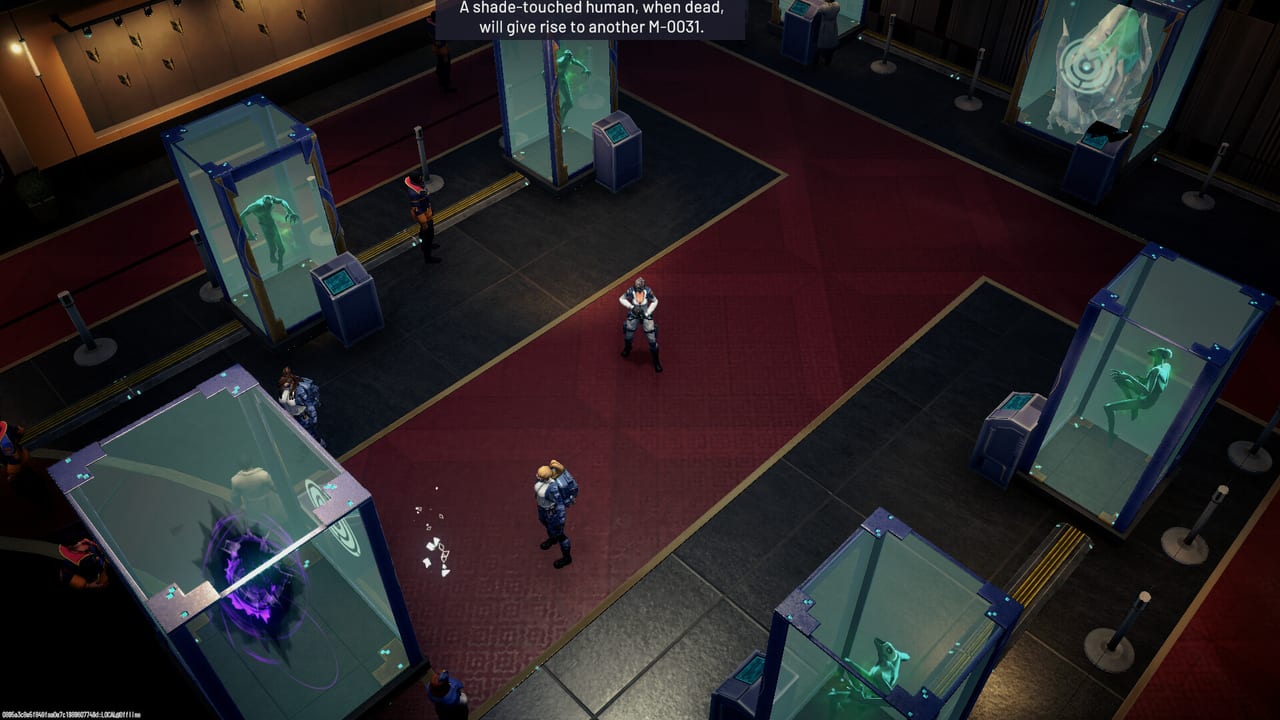
The Forge Center is RIFTSTORM’s hub-side weapon factory. Every successful extract from Rift Exposure Zones feeds materials back into this station, where you craft new guns, tune Combat Power (CP) potential, set rarity floors, and salvage duplicates you no longer need. Understanding Forge Center economics separates squads who plateau at Threat Level 1 from groups pushing PADDOCK Contingency content with coordinated loadouts ahead of the planned August 11, 2026 Steam Early Access launch.
What the Forge Center does
Confiction Labs documents two core Forge Center functions:
- Weapon crafting — Create new weapons from materials and credits.
- Weapon salvaging — Break down unwanted weapons into resources for future crafts.
Both tie into Periapt progression: many recipes and CP upgrades gate behind account milestones. The Forge Center is not optional—it is how you convert mission RNG into repeatable power for three-player online co-op.
Random craft vs blueprint craft
Random weapon crafting
Random crafts spend materials and credits to generate an unpredictable weapon from the available pool. Use random rolls when:
- You need any weapon in an archetype slot (e.g., first viable shotgun for a close-range Rook build).
- You are early in Early Access and have not yet earned targeted blueprints.
- You want to gamble low-tier materials on potential high-rarity surprises.
Random crafts are variance-heavy. Budget them when failure only costs common components, not premium Mythic Resources from high-Threat farms.
Specific weapon crafting (Dataseed blueprints)
Dataseed blueprints drop from missions and enable specific weapon crafting—you choose the exact weapon pattern instead of rolling blind. Blueprint crafts are the long-term efficiency path:
| Factor | Random craft | Blueprint craft |
|---|---|---|
| Outcome | Unpredictable weapon | Fixed weapon pattern |
| Blueprint required | No | Yes (mission-earned) |
| Best for | Early gearing, filler slots | Meta weapons, squad coordination |
| Resource risk | Lower tier mats OK | Save premium mats for high CP/rarity settings |
Farm blueprints on missions your squad can clear reliably at recommended CP, then craft once at the Forge Center with tuned investment settings.
Combat Power potential
When crafting, you can customize CP potential—the ceiling for how strong the weapon can become as you upgrade or use it. Higher CP potential crafts cost more materials and credits upfront.
Conservative craft: Lower CP potential, cheaper cost. Good for experimental archetypes or weapons you may salvage later.
Investment craft: Max or near-max CP potential on a blueprint you will main for weeks. Pair with Periapt nodes that multiply the same stat lines.
CP potential interacts with mission select gates. If the HQ table shows a red CP recommendation, under-invested crafts keep you locked out of premium Threat Level farms even if your skill is ready.
Rarity floors
Alongside CP potential, the Forge Center lets you set a minimum rarity for the crafted weapon. Higher rarity floors increase costs—sometimes sharply—because the game guarantees you will not roll below that tier.
| Rarity floor choice | Typical use case |
|---|---|
| No floor / lowest | Bulk random crafts while learning |
| Mid tier | Blueprint crafts for secondary weapons |
| High floor | Signature primary for elite-hunter roles in co-op |
Do not max both CP potential and rarity floor on every craft early in Early Access. Pick one flagship investment per Weaver you main, then fill support slots cheaply.
Salvage at the Forge Center
Salvaging returns a portion of crafting value from weapons you extract or craft. Official docs emphasize inventory management: every weapon either equips, sits in the shared vault for alt Weavers, or becomes salvage fodder.
Salvage loops connect to Salvaging Weapons strategy—when to break down scarred gear, duplicates, and low-CP mistakes. The Forge Center is both sink and source; starving salvage means starving future blueprint crafts.
Shared vault context
Preview builds reference a shared vault concept where weapons can serve multiple Weavers in your roster. Forge Center crafts that benefit several kits—flexible rifles, universal sidearms—return more value than hyper-specialized pieces only one Weaver can trigger.
Consult Trio Comps before crafting three copies of the same weapon. One shared high-CP primary plus role-specific secondaries often beats triple redundancy.
Weapon Scarring and the Forge Center
Failed extracts risk Weapon Scarring on weapons you brought into the mission. Scarred weapons remain in inventory with negative modifiers. The Forge Center path forward is repair (if available in your build), salvage for partial refund, or sideline the piece until balance patches shift scar penalties.
Do not assume scarring deletes progress—Confiction Labs explicitly contrasts RIFTSTORM with hardcore extraction wipes. Still, bringing your only max-CP craft into a experimental Threat 3+ pug without Extraction Checklist discipline hurts.
Crafting workflow (checklist)
Use this sequence when Early Access opens:
- Extract materials and blueprints from a mission at or slightly above comfortable CP.
- Inventory pass — Salvage duplicates immediately at the Forge Center.
- Blueprint check — If targeting a meta weapon, confirm Dataseed ownership.
- Set CP potential — Match investment to how long you expect to keep the piece.
- Set rarity floor — Only raise floor on long-term mains.
- Craft — Verify stats before bringing into high-Threat co-op.
- Squad sync — Share craft results so Squad Composer roles align with new DPS profiles.
Demo vs full Forge Center
The Steam demo simplifies crafting to teach the loop. Full Early Access Forge Center adds deeper CP and rarity tuning plus integration with the opening PADDOCK arc. Demo habits—salvage often, craft conservatively—still apply.
Related pages
- Weapons Hub — Arsenal overview and CP strategy.
- Salvaging Weapons — When to break gear down.
- Getting Started — Hub loop context.
- Missions Hub — Blueprint farming routes.
RIFTSTORM has not launched yet; exact material costs and rarity tier names may change during Early Access. Re-verify craft math after major economy patches.
Frequently Asked Questions
Quick answers to the most common RIFTSTORM questions.
What is the difference between random and blueprint crafting?
Random crafts roll an unpredictable weapon from the pool. Blueprint crafts use Dataseed blueprints from missions to create a specific weapon pattern.
What is CP potential at the Forge Center?
Combat Power potential sets how strong a crafted weapon can become. Higher potential costs more materials and credits at craft time.
Can I set minimum rarity when crafting?
Yes. The Forge Center lets you raise the minimum rarity floor on crafts, which increases resource costs for a guaranteed tier baseline.
Does the Forge Center salvage weapons?
Yes. Salvaging unwanted weapons returns materials used for future crafts. See also Salvaging Weapons.
Where do Dataseed blueprints come from?
Complete missions—especially PADDOCK Contingency operations—to earn blueprints for specific Forge Center crafts.